During the SCR process, NOx emissions released by the engine during combustion are treated in a catalytic converter. The SCR catalytic converter consists of transition-metal compounds of titanium dioxide (TiO2), mixed titanium(III)/titanium(IV) oxide (Ti3O5 – often called titanium pentoxide) and tungsten oxide, fixed on ceramic substrates. NOx conversion in the catalytic converter depends on the number of active cells and, above all, on the pore size of the ceramic substrates. The process requires a reducing agent – AdBlue®, a non-toxic, odourless aqueous solution of high-quality urea in a precisely defined concentration.
Why a precisely defined concentration of 32.5% (+/- 0.7%)?
This mixture gives the best freezing point – around -11ºC – at which urea and water freeze at the same time. This means the product concentration will not dilute or thicken with climate changes, because both components freeze and thaw together.
How AdBlue works
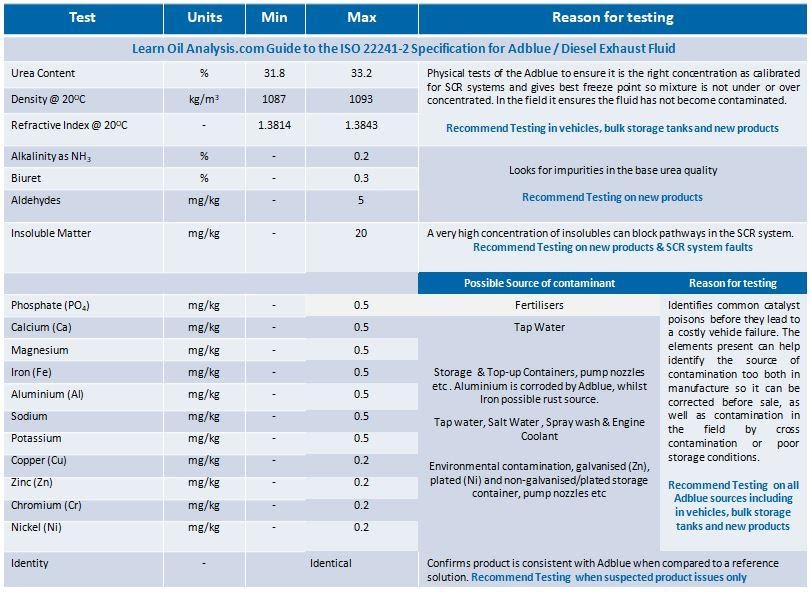
The AdBlue® reagent is injected into the exhaust-gas stream. At high temperature, AdBlue® hydrolyses to ammonia (NH3) and carbon dioxide (CO2). With ammonia and high temperature, nitrogen oxides (NOx) react on the surface of the catalytic converter and are transformed into nitrogen (N2) and water (H2O) – natural components of the atmosphere. Unreacted ammonia is oxidised in a downstream oxidation converter, without a catalyst, to nitrogen and water, which leave with the exhaust gases. This avoids the risk of residual ammonia being released into the atmosphere. The ammonia content of the product is tested by measuring alkalis as NH3, with a maximum permitted value of 0.2%. Higher values would release ammonia into the atmosphere and cause pollution above the permitted limit.
What is biuret?
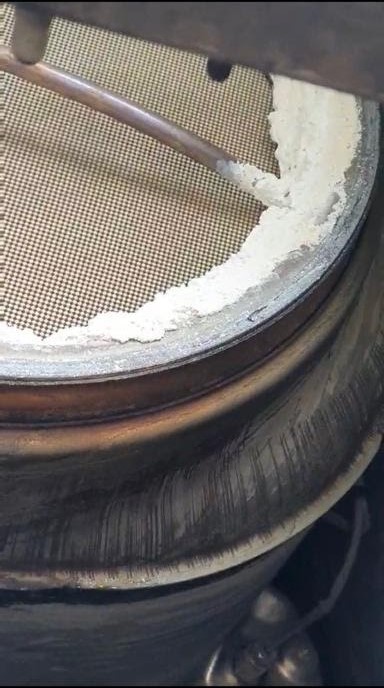
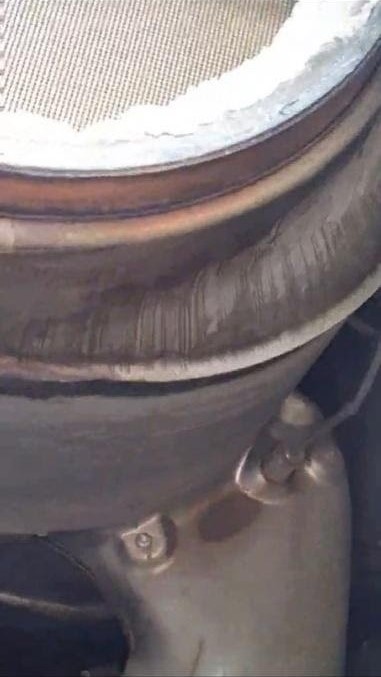
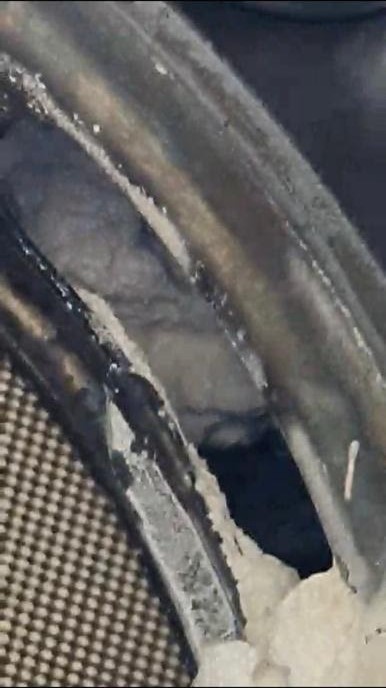
Biuret, or carbonylurea, is an impurity in urea solutions and a condensation product of two urea molecules. In SCR systems, high biuret levels are a problem because the compound deposits on the active surface of the catalyst and deactivates it. This prevents NOx removal, and the AdBlue® sensor sends a continuous signal for additional product injection, which leads to further formation and build-up of cement-like deposits on the catalyst and overconsumption of AdBlue®. In that case incoming NOx (nitrogen monoxide) will not be fully converted into nitrogen and water, resulting in a substantial exceedance of emission limits.
Biuret content must not exceed 0.3%.
The risk of catalyst contamination is high because catalysts are extremely sensitive to certain elements which, even in small quantities, damage the system after prolonged contact with the catalyst and its components.
Phosphates (PO4) in large quantities cause serious problems in SCR systems. High phosphate content is typical of fertilizer-grade urea. Using an unsuitable type of urea to produce the product is the main cause of high phosphate levels.
The maximum permitted phosphate level in AdBlue® is 0.5 mg/kg.
Sodium, calcium and magnesium also cause problems when they remain above the limit over a prolonged cycle. These elements are components of treated deionised water, and their presence is most often due to poor processing of raw water. It is also possible that these and other elements result from contact with materials and liquids during storage of the product immediately before use.
Below you will find possible causes of product contamination and the permitted limits of the elements according to test method ISO 22241-2:

.svg "Instagram")
.svg "Youtube")
.svg "LinkedIn")